

If you’ve been researching skin treatments in Princeton, NJ, you’ve probably come across two popular options: regular microneedling and microneedling with PRP. Both can improve acne scars, fine lines, and overall skin texture, but they work differently and deliver different levels of results. This guide breaks down how each treatment works, what to expect during recovery, and which option might be right for your skin concerns.
Key Takeaways
- Traditional microneedling triggers your body’s natural healing response to boost collagen production, while PRP microneedling adds platelet-rich plasma from your own blood to accelerate healing and enhance results.
- PRP microneedling tends to deliver faster recovery and more noticeable improvements for deeper acne scars and uneven skin tone.
- Both treatments work well across most skin types and skin colors, with minimal downtime and a strong safety profile.
Overview of Microneedling Treatment and Platelet Rich Plasma
Microneedling, also called collagen induction therapy, uses ultra-fine needles to create tiny punctures in the skin’s surface. These controlled micro-injuries trigger collagen and elastin production, gradually improving skin quality over multiple sessions.
Platelet-rich plasma is a concentrated solution derived from your own blood that contains growth factors involved in tissue regeneration. When combined with microneedling, PRP is applied topically or through the microchannels to further boost the skin’s repair process.
The goal of comparing microneedling with PRP vs traditional microneedling isn’t to declare one the winner. It’s to help you figure out which approach matches your skin goals, budget, and timeline.
What Is PRP Treatment (Platelet Rich Plasma)?
PRP treatment starts with a small sample blood draw from your arm. That blood is placed in a centrifuge, which separates the platelet rich plasma from other blood components.
The resulting PRP is packed with growth factors that support tissue regeneration and collagen production. During a PRP microneedling session (sometimes called a vampire facial), this solution is applied topically onto the skin as the microneedling device works, allowing the growth factors to absorb directly into the microchannels.
Some providers also use PRP injections in targeted areas for deeper concerns like pronounced acne scars or sagging skin.
Microneedling With PRP: What Are the Procedure Steps?
Here’s what a typical PRP microneedling session looks like at a Princeton, NJ clinic:
A numbing cream is applied to the treatment area about 30 minutes beforehand. While the skin numbs, the provider performs the blood draw and prepares the PRP using a centrifuge.
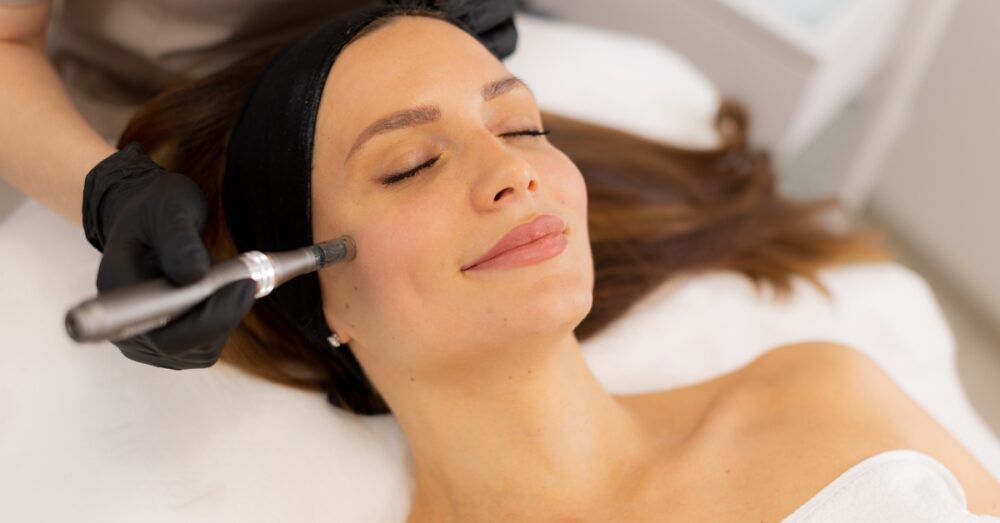
The microneedling device is then passed across the skin in a systematic pattern. PRP is applied to the microchannels either during or immediately after the needling pass. After the session, cooling measures and a gentle post-procedure routine help calm any mild swelling or redness. The entire visit typically takes about 60 to 90 minutes.
PRP Vs Regular Microneedling: Healing and Outcomes
When comparing PRP vs regular microneedling, a few differences stand out:
- Healing time: PRP microneedling often leads to faster healing because the growth factors actively accelerate healing and reduce inflammation. Regular microneedling recovery is still short, but mild swelling and redness may linger slightly longer.
- Deep acne scars: PRP tends to enhance results for more severe scarring, while traditional microneedling works well for mild to moderate concerns.
- Early results: Many clients notice initial improvements sooner with PRP, sometimes within the first couple of weeks.
- Cost: PRP microneedling has a higher upfront cost per session due to the blood draw and processing steps. Regular microneedling is the more budget-friendly starting point.
Benefits and Limitations for Skin Rejuvenation
PRP microneedling shines for clients seeking skin rejuvenation at a deeper level. The added growth factors can improve skin tone, reduce fine lines, and address dark spots and sun damage more aggressively than microneedling alone.
Regular microneedling remains an excellent option for clients with milder skin concerns like large pores, light texture irregularities, or early fine lines. It improves texture and collagen production without the added step of a blood draw.
Neither treatment is ideal for clients with active skin infections, certain blood disorders, or those on specific medications. A microneedling consultation can help determine whether you’re a good candidate.
How Many Sessions Do You Need?
Most clients see the best results after three to six microneedling sessions, spaced about four to six weeks apart. PRP microneedling may require fewer sessions for comparable results, though this varies by individual.
You can typically notice initial improvements after the second or third session. Full collagen remodeling continues for several months after your final treatment. Maintenance sessions, once or twice a year, help preserve skin quality long term.
Recovery, Safety, and Faster Healing Tips
Downtime for both treatments is minimal. Expect some redness and mild swelling for one to three days, similar to a mild sunburn. PRP clients often report faster recovery due to the regenerative properties of platelet-rich plasma.
During the first 48 to 72 hours, avoid excessive sun exposure, active skincare ingredients, and heavy exercise. Most providers recommend waiting at least 24 hours before applying makeup. Gentle, hydrating products and consistent sun protection will support your healing.
If you notice anything beyond typical redness, such as signs of an allergic reaction or prolonged irritation, contact your provider. These complications are rare but worth being aware of.
Who Can Benefit: Acne Scars, Fine Lines, and Skin Rejuvenation
Clients dealing with acne scars, fine lines, uneven skin tone, enlarged pores, or overall dullness are strong candidates for either treatment. Both options are safe across most skin types and skin colors, which makes them accessible to a wide range of people.
If you have deeper scarring or want faster, more dramatic improvements, PRP microneedling is worth considering. If your concerns are milder and you want a straightforward collagen-boosting treatment, regular microneedling in Princeton, NJ is a reliable starting point.
Anyone with active breakouts, open wounds, or certain skin conditions should discuss their situation with a licensed provider before booking.
FAQs About PRP Microneedling in Princeton
How soon after PRP microneedling can I wear makeup without irritating my skin?
Most providers recommend waiting at least 24 hours before applying makeup after PRP microneedling. Your skin needs time to close the microchannels, and applying products too early can increase the risk of irritation. Mineral-based makeup is usually the safest first choice when you do resume.
Is PRP microneedling worth the extra cost compared to regular microneedling for mild acne scars?
For mild acne scars, regular microneedling often delivers strong results at a lower price point. PRP microneedling tends to justify its cost more for clients with deeper scarring, uneven skin tone, or those who want faster healing. A consultation can help you weigh the investment against your specific goals.
Can PRP microneedling help with dark spots caused by sun damage on the neck and chest?
Yes. The combination of collagen stimulation and growth factors from PRP can help fade dark spots and improve skin texture on the neck and décolletage. Multiple treatments are usually needed for noticeable improvement in these areas, and strict sun protection between sessions is essential.
How long do PRP microneedling results last before you need a maintenance session?
Results from PRP microneedling can last six months to a year depending on your skin, age, and lifestyle habits like sun exposure. Most providers recommend one to two maintenance sessions per year to sustain collagen production and overall skin quality.
Is PRP microneedling safe for sensitive skin that reacts easily to most skin treatments?
PRP microneedling is generally well tolerated by sensitive skin because the PRP comes from your own blood, which reduces the risk of an allergic reaction. That said, a consultation beforehand is important so your provider can assess your skin’s reactivity and adjust needle depth and treatment intensity accordingly.
Ready to Find the Right Microneedling Treatment in Princeton, NJ?
Your skin goals deserve more than a one-size-fits-all approach. Whether you’re considering PRP microneedling or traditional microneedling, a private consultation is the best way to build a plan around what your skin actually needs: clinically proven methods, strategically applied for results you can see and trust.
Our team at Eminence Medical Aesthetics in Princeton, NJ takes the time to assess your concerns, answer your questions, and map out a customized treatment timeline. No guesswork, no pressure – just a personalized path to healthier skin. Book a results-driven consultation today. Call +1 609-616-9815 to get started.