

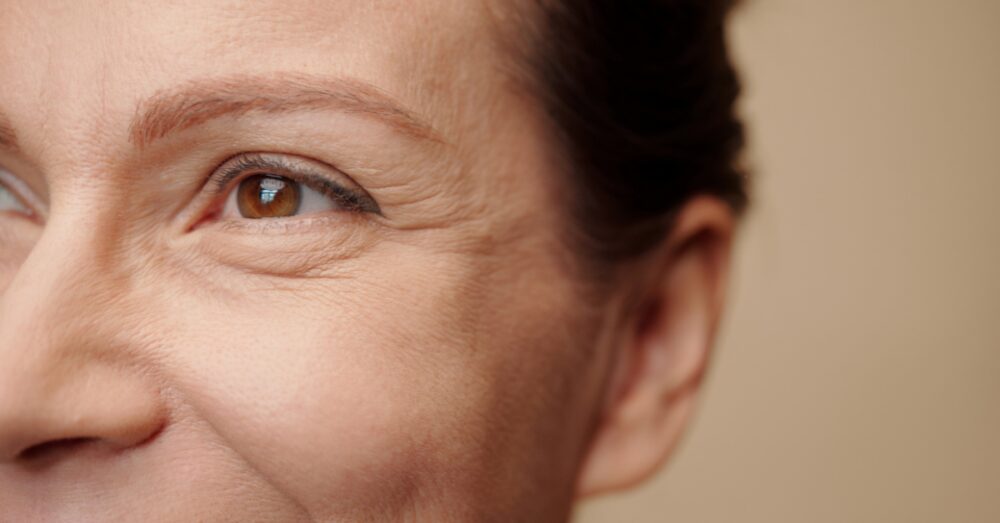
Fine lines around the eyes, forehead, and cheeks can make skin look older than it feels. If you’ve been researching ways to treat facial wrinkles without surgery, microneedling is one of the most talked-about options right now, and for good reason.
Microneedling is a cosmetic procedure that uses tiny needles to create controlled micro-injuries in the skin. These tiny holes trigger the body’s natural healing process, prompting the skin to produce more collagen and elastin. The result? Smoother, firmer skin over time.
For clients in Princeton, NJ exploring non-invasive options for aging skin, microneedling for wrinkles has become a go-to treatment. But how well does it actually work, and what should you expect? Let’s break it down.
Key Takeaways
- Microneedling stimulates collagen production to gradually reduce fine lines and wrinkles, with most clients seeing improvement after three to six sessions.
- The procedure works well for acne scars, sun damage, and overall texture concerns, and can be safely performed on a wide range of skin tones.
- Downtime is minimal, and you can expect some redness for a few days. Numbing cream keeps discomfort manageable for most people.
How Does Microneedling Reduce Fine Lines?
Microneedling works by activating your skin’s own repair system. When thin needles puncture the surface of the skin, they reach into the dermis, which is the deeper layer where collagen lives. Your body responds to these micro-injuries by producing fresh collagen and elastin fibers, which gradually fill in fine lines and improve overall texture.
This collagen remodeling process doesn’t happen overnight. New collagen continues building for several months after each session. Most clients notice visible improvement in treating fine lines within four to eight weeks after their first microneedling treatment.
How Many Sessions Do You Need for Wrinkles?
For fine lines and wrinkles, a typical course is three to six sessions spaced about four to six weeks apart. Your results will vary depending on age, skin laxity, and how your skin heals.
Younger clients with early signs of aging skin may see results faster, while those with deeper facial wrinkles or more sun damage may need additional sessions for optimal results.
Microneedling Devices and Radiofrequency Options
Not all microneedling devices are the same. Professional-grade tools used in clinical settings are very different from at-home rollers. Common professional microneedling devices include motorized pen-style systems that allow providers to adjust needle depth precisely based on the treatment area and skin concerns.
Needle lengths typically range from 0.5 mm for superficial concerns like pores and texture to 2.0 mm or longer needles for deeper scarring and skin laxity on areas like the neck and cheeks.
What About RF Microneedling?
Radiofrequency (RF) microneedling adds heat energy delivered through the needles directly into the dermis. This combination amplifies collagen production and is especially effective for sagging skin and deeper wrinkles that standard microneedling alone may not fully address.
Does Microneedling Hurt? Pain, Numbing, and Downtime
This is one of the most common questions clients ask. The honest answer: it depends on the area and your sensitivity level.
A numbing cream is applied before the procedure, usually 20 to 30 minutes beforehand. This makes the microneedling procedure comfortable for most people. Areas with thinner skin, such as the forehead and around the eyes, tend to be more sensitive than the cheeks or neck. Most clients describe the sensation as a mild prickling or vibrating feeling, not sharp pain.
What Does Recovery Look Like?
Downtime is minimal. Expect redness similar to a mild sunburn for one to three days. Your skin may feel warm, tight, and slightly rough as it heals. Most clients return to normal activities within 24 to 48 hours.
During recovery:
- Avoid makeup for at least 12 to 24 hours after treatment
- Skip active ingredients like retinoids and acids for several days
- Wear sunscreen daily, as your skin will be more sensitive to sun damage
- Keep your skincare routine gentle and hydrating for the first week
By about two weeks, the skin looks smooth, refreshed, and noticeably better in texture and appearance.
Combining Microneedling With Injectables and Other Therapies
If you’re already getting Botox, filler, or other treatments, timing matters. It’s generally recommended to wait at least two weeks after Botox before scheduling a microneedling treatment. This allows the injectable to settle properly so the microneedling procedure doesn’t disturb placement.
PRP (platelet-rich plasma) can be applied during or immediately after microneedling to support healing and boost collagen production. Some providers also apply targeted serums post-procedure, taking advantage of the tiny holes to deliver active ingredients deeper into the skin.
Microneedling also pairs well with lasers and medical-grade creams as part of a broader plan for skin concerns like sun damage, hyperpigmentation, or overall texture improvement. Your provider can design a treatment plan during a consultation based on your specific goals.
Frequently Asked Questions About Microneedling in Princeton
Can Microneedling Help With Hair Loss or Just Skin Concerns?
Microneedling isn’t limited to the face and body. Research shows it can support hair regrowth by stimulating blood vessels and growth factors in the scalp. It’s sometimes used alongside topical hair treatments to improve absorption and results. Ask your provider whether this approach makes sense for your situation.
Is Microneedling Safe for Darker Skin Tones That Are Prone to Hyperpigmentation?
Yes. Unlike some laser treatments, microneedling does not target pigment, which makes it a safer option for clients with deeper skin tones. Studies in Indian Dermatol and dermatology journals have confirmed its safety and effectiveness across a range of skin types, especially those concerned about post-inflammatory hyperpigmentation.
How Long After Microneedling Can I Wear Makeup and Return to My Routine?
Most providers recommend waiting at least 12 to 24 hours before applying makeup. Your skin needs time to heal, and putting products on too soon can increase risk of irritation. By day three or four, most clients are back to their full routine with no discomfort.
Does RF Microneedling Hurt More Than Standard Micro Needling?
RF microneedling involves heat delivered through the needles, so it can feel slightly more intense. However, with proper numbing cream and an experienced provider, most people find the discomfort very manageable. The added benefits for sagging skin and deeper wrinkles often make it worthwhile.
Who Is a Good Candidate for Microneedling in Princeton, NJ?
Most healthy adults are good candidates for microneedling. It’s well-suited for clients dealing with fine lines and wrinkles, acne scars, sun damage, uneven texture, or enlarged pores. During a consultation, your provider will evaluate whether you’re a good candidate based on your skin, medical history, and goals.
Ready to See What Microneedling Can Do for Your Skin?
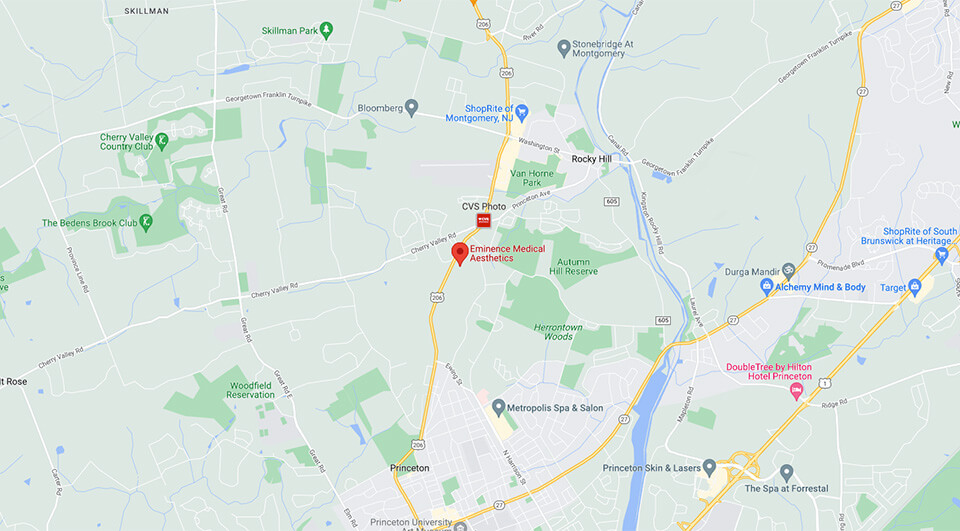
If you’re in Princeton, NJ and considering microneedling for wrinkles, acne scars, or overall skin improvement, the team at Eminence Medical Aesthetics is here to help. Our approach is simple: clinically proven treatments, strategically applied for results you can see and trust. Our providers will walk you through your options and build a treatment plan tailored to your needs.
Book a results-driven consultation by calling +1 609-616-9815, or reach out online to start your customized plan today.