
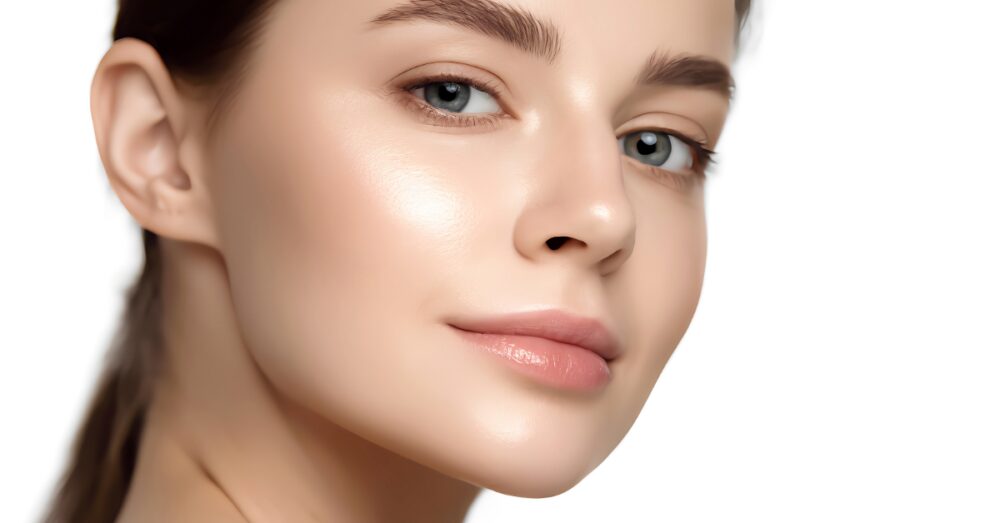
If you’ve been searching for a way to refresh your skin without surgery or extensive downtime, microneedling with PRP might be exactly what you’re looking for. This treatment pairs the collagen-boosting power of microneedling with the regenerative properties of your own blood’s platelets, and it’s become one of the most requested skin treatments at clinics across Princeton, NJ. Many people use microneedling for acne scars, fine lines and wrinkles, or just a general loss of firmness because it offers real, visible improvement rooted in your body’s own biology.
Let’s walk through what this treatment involves, what it can do for your skin, and how to know if it’s right for you.
What Is Platelet Rich Plasma PRP and Why Does It Matter?
Platelet rich plasma PRP is a concentrated solution derived from your own blood. During your appointment, a small blood draw is taken and placed into a centrifuge, which separates the plasma from the red blood cells. What remains is a golden-colored serum packed with growth factors and proteins that play a key role in tissue regeneration and cellular repair.
Because it comes from your own body, there’s virtually no risk of allergic reaction. These growth factors are the same ones your body uses naturally to heal cuts and repair damaged tissue; they’re just being redirected to where your skin needs them most.
How Does PRP Microneedling Work to Boost Collagen Production?
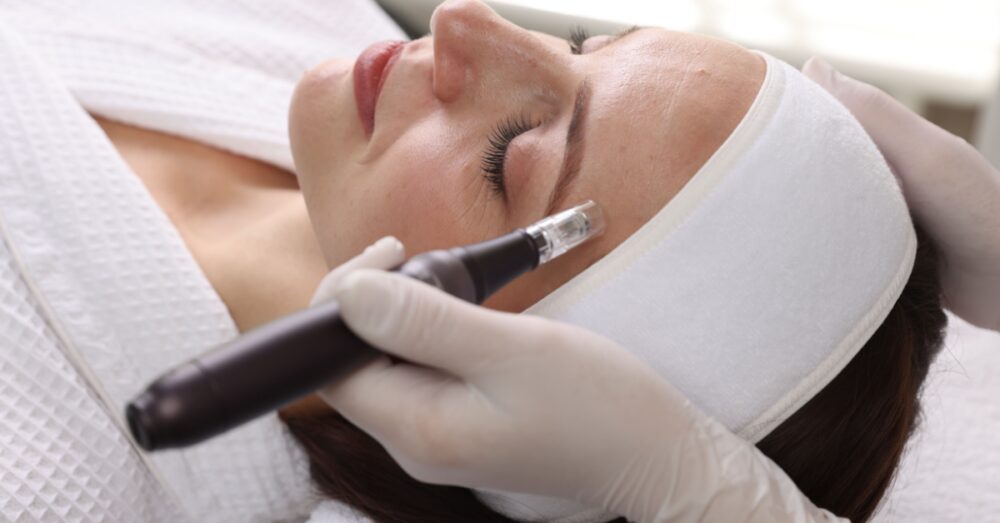
Microneedling, also known as collagen induction therapy, is a minimally invasive cosmetic procedure that uses fine needles to create tiny punctures across the skin’s surface. These controlled micro injuries stimulate the body’s natural healing response, triggering new collagen and elastin production from the inside out.
Once the microneedling device has passed over the treatment area, the PRP serum is applied directly onto the skin. It absorbs into the freshly created microchannels, delivering those concentrated growth factors deep below the surface where they can accelerate healing and support long-term skin rejuvenation.
The full cycle of cellular repair doesn’t happen overnight. Most clients notice initial improvements within a few weeks of microneedling in Princeton, with more significant changes appearing four to six weeks after treatment as new collagen continues to form beneath the surface.

What Are the Top Benefits of Microneedling With Platelet Rich Plasma?
There are many reasons this treatment has gained such a loyal following. Here are the five most impactful benefits of microneedling with PRP that keep clients coming back for follow-up sessions.
- Improve Skin Texture and Tone
Yes, and this is often the first change clients notice. PRP microneedling promotes smoother skin by encouraging the turnover of dull, damaged surface cells. Over time, uneven skin tone becomes more balanced, and the skin takes on a more radiant, refreshed quality.
The combination of microneedling and PRP works at a deeper level than topical products alone. By stimulating collagen production beneath the surface, the treatment creates improved skin texture that feels as good as it looks.
- Reduce Fine Lines and Wrinkles
Absolutely. As we age, our skin produces less collagen, which leads to fine lines and wrinkles that deepen over time. PRP microneedling directly addresses this by jumpstarting the production of more collagen and elastin, two proteins essential for firm, youthful skin.
Clients often describe their skin as looking plumper and feeling tighter after a series of sessions. This isn’t a surface-level fix, but a structural change happening within the skin itself.
- Help With Scars and Enlarged Pores
Microneedling with PRP is particularly effective for addressing acne scars, surgical scars, and stretch marks. The micro injuries created during treatment break down old scar tissue while the PRP encourages healthy new tissue to form in its place.
Large pores also benefit. As collagen fills in around the pore walls, they appear smaller and less visible. Many clients dealing with a combination of scarring and enlarged pores find that this single treatment addresses multiple skin concerns at once.
- Faster Healing
One of the standout benefits of microneedling with PRP is the recovery advantage. PRP therapy speeds up the healing process after microneedling, resulting in less redness and inflammation. This means clients can return to normal activities more quickly, typically within 24 hours.
Compared to micro needling alone, adding PRP shortens the window of visible irritation. Mild swelling and redness are common for the first three to five days, but they tend to resolve faster when PRP is part of the equation. That minimal recovery time is a major draw for people with busy schedules.
- Safe For All Skin Types and Colors
This is an important one. Unlike laser treatments that use heat and can sometimes affect the skin’s pigment, PRP microneedling is generally safe for all skin colors and skin types. It doesn’t cause heat-induced damage, which makes it a strong option for clients who may not be ideal candidates for other procedures.
That said, a consultation is always recommended to review your medical history and confirm the treatment is appropriate for you.
Who Is an Ideal Candidate for PRP Microneedling in Princeton, NJ?
The ideal candidate for PRP microneedling is someone in generally good health who wants to address visible signs of aging, scarring, sun damage, or overall skin quality without undergoing surgery. It’s a great fit for people looking for a natural approach to facial rejuvenation that works with the body rather than against it.
However, not everyone qualifies. Clients who are pregnant, breastfeeding, or have used Accutane in the past six months are generally not considered suitable candidates. Those with active skin conditions, blood disorders, herpes simplex outbreaks in the treatment area, or a history of skin cancer in the treated area should also discuss alternatives with their provider.
Preparation matters too. You’ll need to stop using retinoids, exfoliating acids, and blood thinners about a week before your session to minimize irritation and ensure the best possible outcome.
How Does Micro Needling Alone Compare to PRP Microneedling?
Standard microneedling treatment still delivers solid results. The micro injuries stimulate collagen on their own, and many clients see meaningful improvement in skin texture and firmness.
But adding PRP takes those results further. Here’s how the two compare:
- Collagen response: Microneedling alone triggers collagen production, while PRP microneedling amplifies it by flooding the microchannels with concentrated growth factors
- Healing time: PRP helps accelerate healing, so redness and sensitivity tend to resolve more quickly
- Depth of results: PRP supports elastin production alongside collagen, leading to firmer, more resilient skin over time
- Scar treatment: The regenerative properties of PRP make it particularly effective for stubborn acne scars, stretch marks, and surgical scars
- Cost consideration: PRP sessions carry a higher price point due to the blood draw and processing involved, but many clients find the enhanced results justify the investment
The standard protocol in New Jersey for optimal results typically involves three to six microneedling with PRP sessions spaced four to six weeks apart. Your provider will recommend a plan based on your specific goals and skin concerns.
Frequently Asked Questions About PRP Microneedling
How long does a PRP microneedling session typically last?
Most sessions take about an hour from start to finish. That includes the blood draw, PRP preparation, numbing cream application, and the microneedling process itself.
When will I start seeing results from PRP microneedling?
Initial improvements can appear within two to three weeks. More noticeable changes in skin texture, tone, and firmness typically develop four to six weeks after treatment as collagen continues to build.
How long do results from PRP microneedling last?
Clients commonly report smoother, firmer, and more radiant skin with results that can last several months. Maintenance sessions help sustain and build on those improvements over time.
What should I avoid after a PRP microneedling session?
During the recovery period, avoid excessive sun exposure, tanning beds, swimming, steam rooms, and harsh exfoliative treatments for at least one to two weeks. Following your provider’s aftercare instructions closely will help ensure proper healing.
Is PRP microneedling considered a medical treatment?
Yes. Microneedling with PRP is classified as a medical treatment and must be performed or supervised by licensed practitioners. This ensures both safety and clinical-grade results.
Ready to See What PRP Microneedling Can Do for Your Skin?
If you’re ready to invest in your skin with a treatment grounded in science and tailored to your goals, the team at Eminence Medical Aesthetics in Princeton, NJ is here to help. Our licensed providers bring the expertise and precision this treatment requires, and every session is designed around your unique needs.
Call us at +1 609-616-9815 to schedule your consultation and find out how PRP microneedling can help you achieve the youthful appearance and confidence you’re looking for.